It is completely natural to want to see results as soon as possible after a hair transplant. But transplanted hair follows the same growth cycle as the rest of your hair, and that cycle takes time. Knowing the general stages helps you avoid unnecessary worry and assess your progress correctly.
Why do results take time?
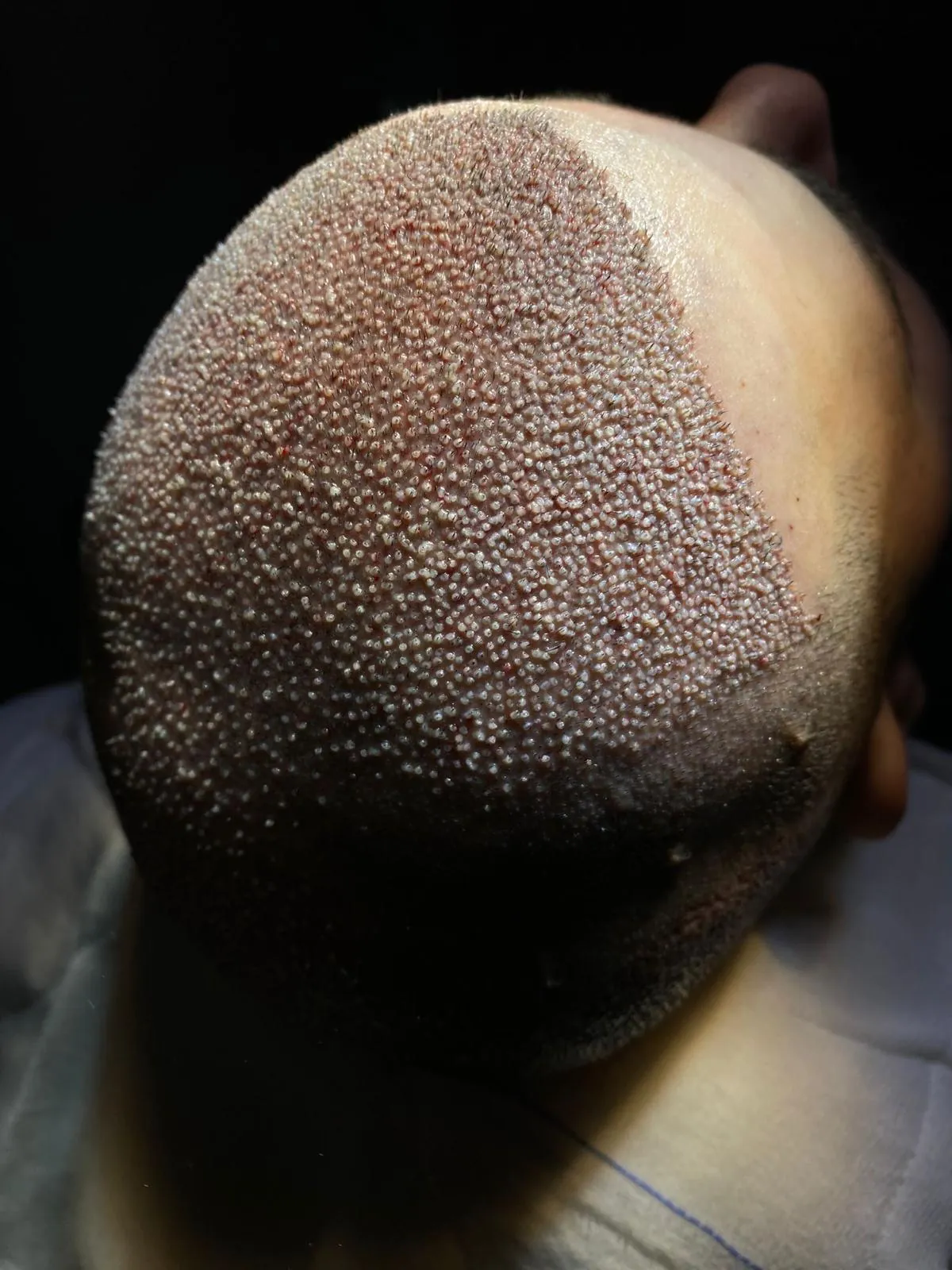
Every hair follicle passes through growth, transition and resting phases. The stress of being transplanted usually sends the follicles into the resting phase. The hair shafts fall out in the first weeks while the follicles remain in the skin. After a few months of rest they start producing hair again, and new hair grows by about one centimetre a month.
General stages
| Time since the procedure | What is usually seen |
|---|---|
| Weeks 2–6 | A large proportion of the transplanted hairs fall out |
| Months 1–3 | Little visible change; the area may look as it did before the procedure |
| Months 3–4 | The first fine new hairs begin to grow |
| Months 6–8 | Noticeable growth; often around half of the expected change |
| Months 12–18 | Hair thickens and matures; the final result is usually assessed |
These are general ranges. In some people growth starts earlier, in others later, and the crown often takes longer than the front.
Factors that affect the rate of growth
- Treated area: The crown usually grows more slowly than the hairline.
- Hair characteristics: Thickness, colour and curl change how quickly density becomes noticeable.
- Individual healing: Age, general health and blood circulation play a role.
- Smoking and aftercare: Following the instructions in the first weeks supports healthy healing.
- Ongoing hair loss: Thinning of the surrounding, non-transplanted hair can affect the overall appearance.
Tracking progress correctly
Take your photos about once a month, in the same place, in the same light and from the same angles. Front, crown, back and both side views are useful. Comparing these photos is far more reliable than looking at yourself in different mirrors. Sharing the photos with the clinic allows the team to tell you whether your progress is within the expected range.
Other patients’ photos can help you understand the process, but every result is individual. At Emine Erdem Hair Clinic, expectations are not promised in advance; they are discussed openly during the consultation and follow-up.
Can supportive treatments help?
Some people consider supportive treatments such as PRP to support their existing hair. Whether these are suitable depends on your hair loss and is discussed individually. These treatments are no substitute for patience during the normal growth cycle.
If you have questions about your own progress or would like an assessment, contact our team.