Hair Transplant Planned for You
A hair transplant moves healthy hair follicles, usually from the permanent donor area at the back and sides of the head, to thinning areas. At Emine Erdem Hair Clinic the procedure is planned individually and coordinated by the same in-house team from the first consultation through to aftercare.

- Anaesthesia
- Local anaesthesia
- Procedure time
- Usually most of the day
- Return to desk work
- Usually after 7–10 days
- Final result
- Assessed at 12–18 months
For general information only. Timeframes and details specific to you are clarified after the assessment.
What is a hair transplant?
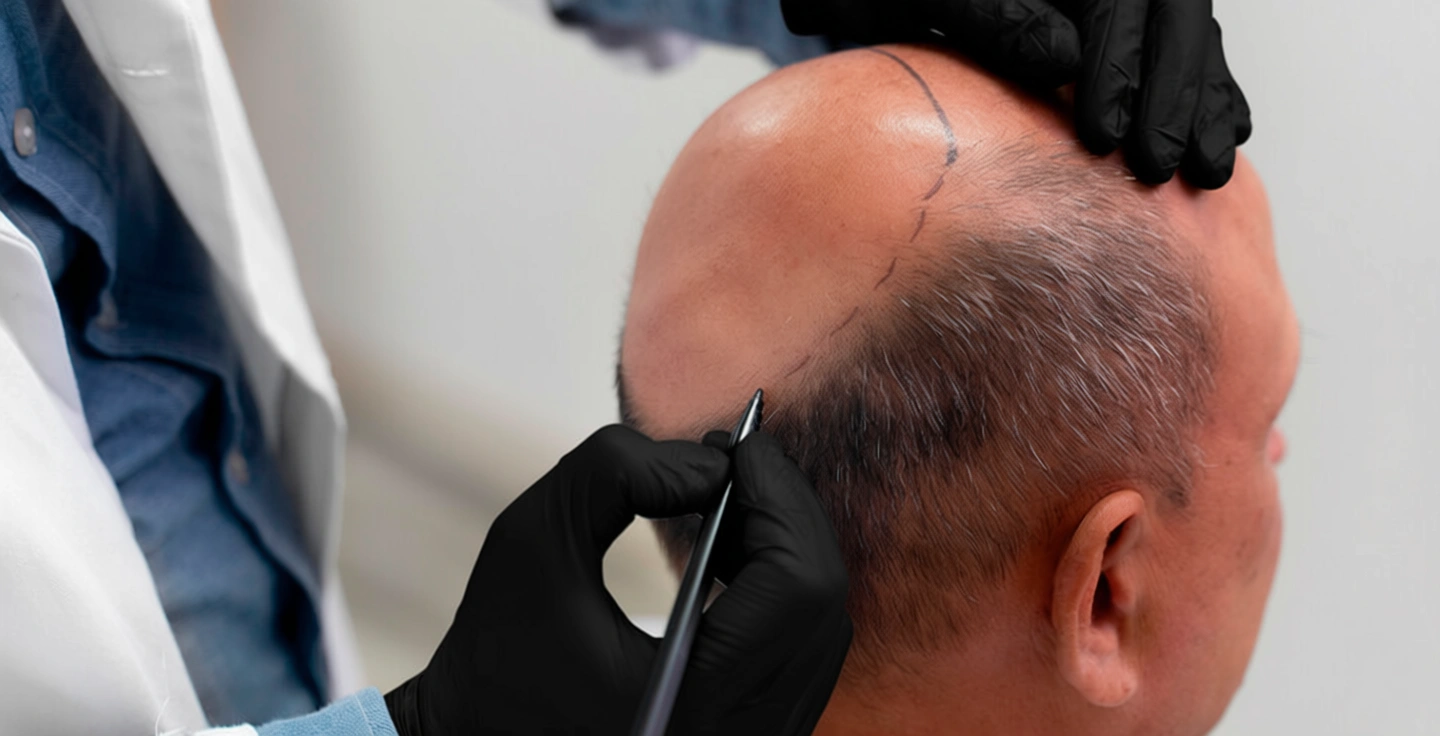
Hair loss on the crown and front of the head is usually caused by the follicles’ sensitivity to hormones. Follicles at the back and sides of the head are generally less affected, which is why they are used as the donor area. A hair transplant redistributes these follicles; it does not create new hair. The number of grafts that can be taken is therefore limited by the capacity of the donor area.
Hair grows in natural groups of one to four hairs called follicular units. In modern hair transplants these units are taken one by one and placed to match the natural direction, angle and density of hair in the recipient area.
Because hair that is not transplanted may continue to thin, planning takes into account not only how your hair looks today but also how it may change in the years ahead.
In most hair transplants today, grafts are harvested using FUE (Follicular Unit Extraction): each follicular unit is removed individually from the donor area with a small punch. This leaves very small dot-like marks instead of a linear scar.
The harvested grafts can be placed in different ways. In one approach, small channels are first opened in the recipient area and the grafts are placed into them. In the other, known as DHI, grafts are loaded into a pen-like implanter and implanted directly. Channels may be opened with steel or sapphire blades.
Each approach has practical differences in speed, density, the need for shaving and the size of the area that can be treated. A technique is not chosen from a menu; the approach for you is explained during planning, based on your donor area, the recipient area and your priorities.
Who might it be suitable for?
Suitability can only be established through an individual assessment. In general, a hair transplant may be considered if:
Usually considered when there is
- You have genetic hair loss that has been ongoing for some time and has relatively stabilised
- Your donor area has enough healthy follicles for the area to be treated
- You want to restore your hairline, temples, crown or thinning areas
- You understand that results develop over months and depend on donor capacity
- Your general health is suitable for a procedure under local anaesthesia
Situations that require careful assessment
- Very early or rapidly progressing hair loss
- Diffuse thinning that also affects the donor area
- Hair loss caused by an illness, medication or scar tissue
- Bleeding disorders, uncontrolled diabetes or heart conditions
- Density expectations that the donor area cannot meet
If a hair transplant is not the right option for you at the moment, our team will say so clearly and may suggest alternatives or a reassessment at a later date.
How is it performed?
-
1
Planning and design
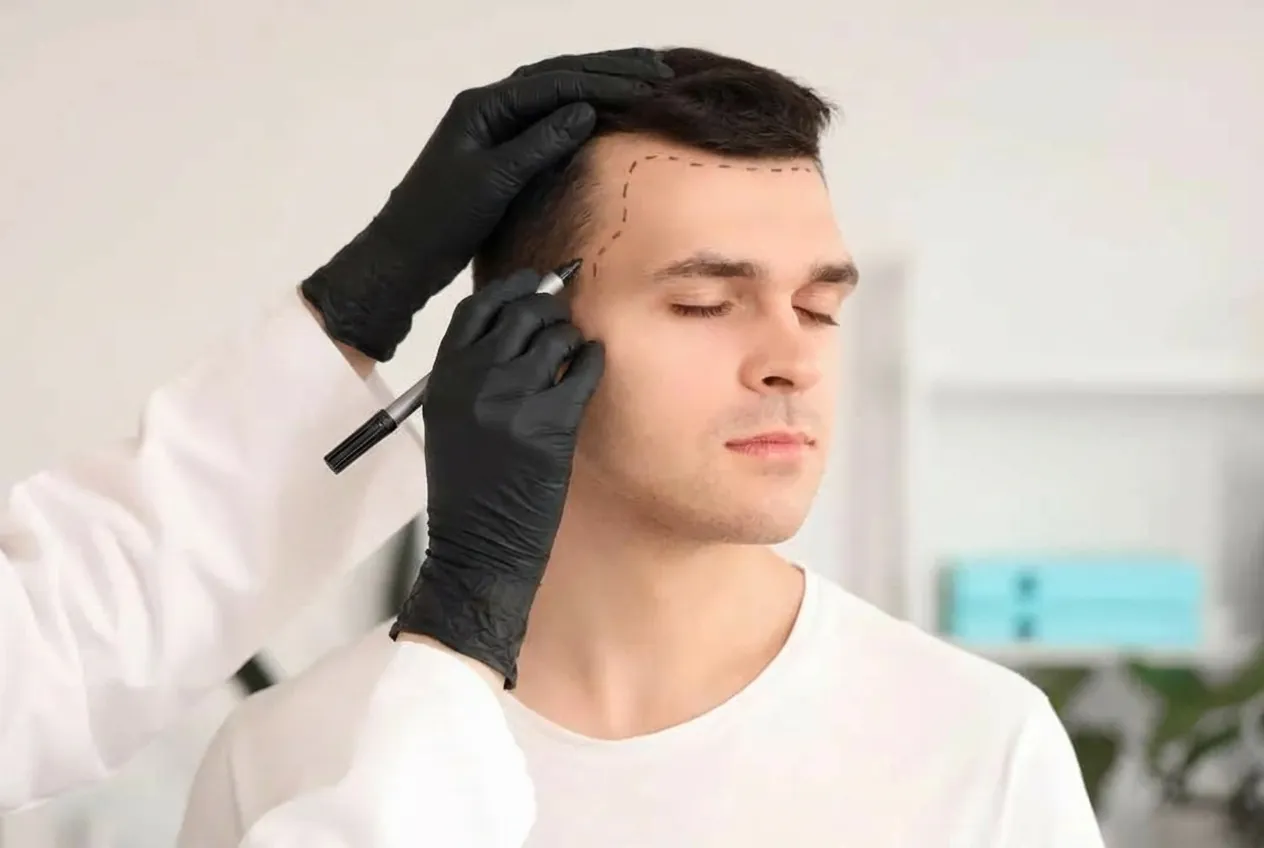
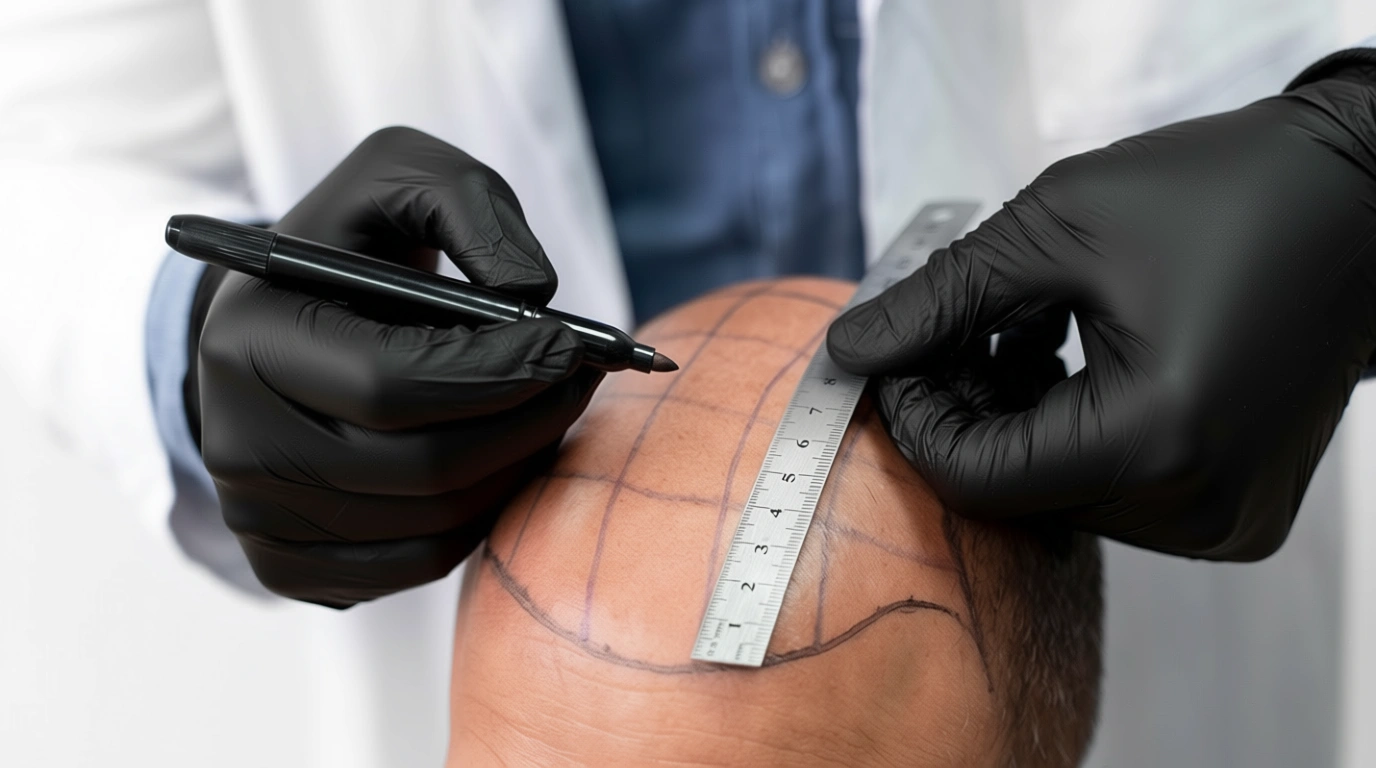
The plan agreed in the preliminary consultation is reviewed again in person. The areas to be treated and the hairline are marked and discussed with you.
-
2
Preparing the donor area
The donor area is prepared and local anaesthesia is applied to numb it.
-
3
Harvesting the grafts
Follicular units are taken one by one from the donor area and kept in a suitable solution.
-
4
Recipient area
The recipient area is numbed and prepared, taking into account the natural angle and direction of hair growth.
-
5
Placing the grafts
Grafts are placed according to the plan; single-hair grafts are usually used at the very front of the hairline.
-
6
Dressing and instructions
The area is cleaned and, if needed, the donor area is dressed; you receive your aftercare instructions and medication.
What you need to know
The characteristics that matter when deciding, including the limitations, in plain language.
- Your own hair is used
- The transplanted follicles come from your own donor area and keep the characteristics of the hair from that area.
- Limited by the donor area
- Donor follicles are a limited resource. Good planning balances today's needs with future needs.
- Results come gradually
- Transplanted hairs usually shed and then regrow. Visible change develops over months.
- It does not stop hair loss
- Hair that has not been transplanted may continue to thin; this can affect your long-term appearance and future plans.
How is your plan prepared?
Planning begins before you travel. You share photos of your hair from the front, sides, top and back, along with information about your hair loss history and health. Using this, our team assesses the likely size of the area to be treated and the capacity of your donor area.
Because the clinic works with a limited daily capacity, there is time to talk about your priorities: whether the hairline, temples or crown matter most to you, how dense you would like an area to look and what is realistic with the grafts available. The plan is confirmed again in person on the day of the procedure before anything begins.
Proper preparation
- 1Tell our team about all medication and supplements you take, especially blood thinners. Do not stop prescribed medication without consulting your doctor.
- 2Do not drink alcohol for a few days before the procedure; if you smoke, cut down or stop as early as possible.
- 3Follow the instructions about haircuts, hair products and washing on the morning of the procedure.
- 4Eat a light breakfast and wear a button-up shirt so that you do not have to pull anything over your head afterwards.
- 5Plan your journey home and the first days of recovery; remember to arrange time off work and a neck pillow for travelling.
The instructions your clinic gives you take precedence over this general list. Never stop prescribed medication without consulting your doctor.
What to expect on the procedure day
The course of the day is explained to you in advance, and time is set aside for your questions before the procedure begins.
-
1
Welcome
You meet the team, complete any remaining forms and ask your final questions.
-
2
Confirming the plan
The treatment plan and hairline design are reviewed and marked together with you.
-
3
Procedure
Grafts are harvested and placed under local anaesthesia, with breaks during the day.
-
4
Before you leave
You receive your aftercare instructions, medication and contact details for any questions.
Recovery and what to expect
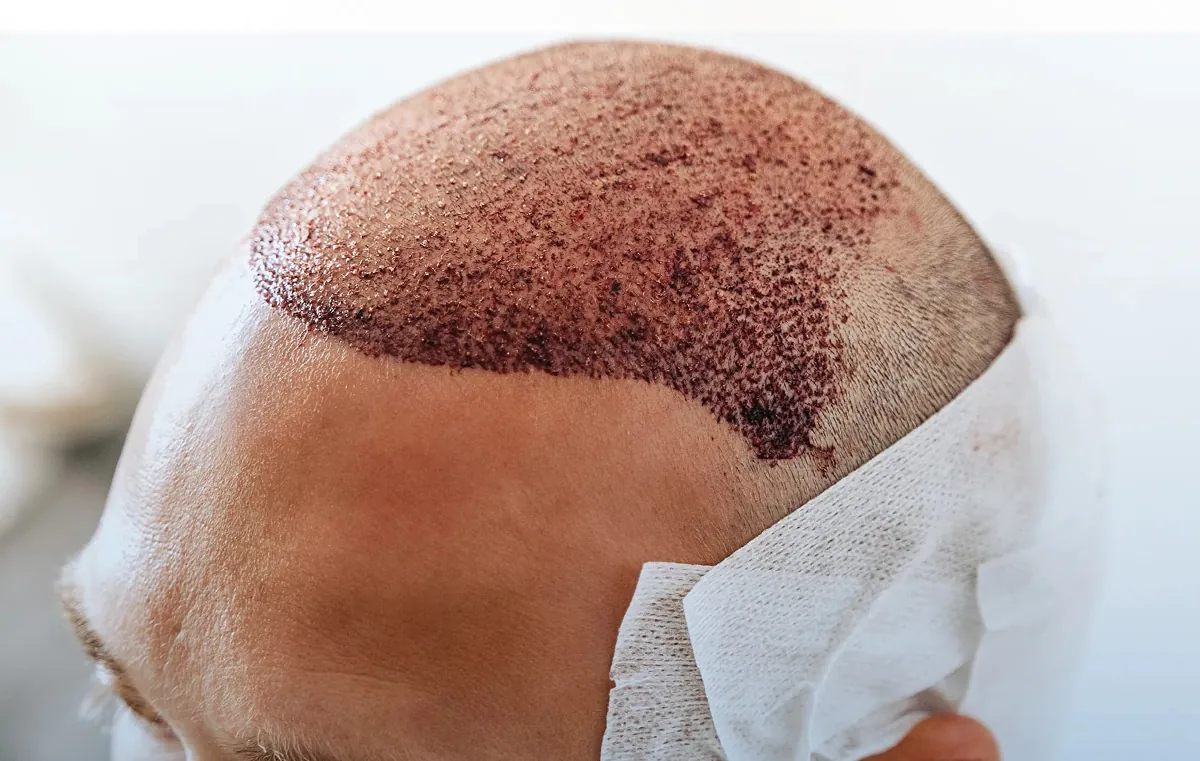
In the first days the aim is to protect the newly placed grafts. You are shown how to sleep, when and how to wash and which activities to avoid. Mild swelling, redness, tightness or numbness is common in the first days and usually settles on its own.
Small scabs form around the grafts and, with washing as instructed, gradually fall off within about one to two weeks. For day-by-day details, see our aftercare guide.
-
First week
Redness, scabbing and possible swelling; gentle washing as instructed.
-
Weeks 2–4
Scabs fall off; most daily activities are resumed. Transplanted hairs may begin to shed.
-
Months 1–3
A quiet phase in which the recipient area may look similar to how it did before the procedure.
-
Months 3–6
New hairs, fine at first, begin to grow.
-
Months 6–12
Hairs thicken and grow longer; the change becomes more noticeable.
-
Months 12–18
The final appearance is usually assessed during this period.
Everyone's recovery and rate of hair growth differ. These stages reflect general trends and are not a guarantee.
The risks you should know about
A hair transplant is a surgical procedure. Most side effects are temporary, but every patient should know the possible risks before deciding.
- Swelling, bruising, pain or tightness in the first days
- Temporary numbness of the scalp
- Itching, small cysts or inflammation of hair follicles (folliculitis) as hair grows
- Shock loss: temporary shedding of existing hair around the recipient area
- Bleeding or infection, although rare
- Visible marks or thinning in the donor area if too many grafts are taken
- Lower graft survival or density than expected; an additional procedure may be needed in some cases
Your individual risks are discussed in the preliminary consultation. If you notice increasing pain, spreading redness, discharge or fever, contact the clinic without delay.
Hair Transplant case examples
Case examples are published in the results archive only with the patient's written consent, together with treatment details and the time since the procedure. Results vary from person to person and are not a promise of a specific outcome.
-
Because the procedure is performed under local anaesthesia, the treated areas are numbed. Most people only notice the anaesthetic injections and a feeling of mild pressure. Discomfort afterwards can usually be managed with the medication provided.
-
This depends on the size of the area to be treated, the density you want and the number of grafts your donor area can provide. An estimate is shared after your photos are reviewed and confirmed during in-person planning.
-
Whether and how much shaving is needed depends on the approach chosen for your plan and the number of grafts. This is explained to you before your visit.
-
Follicles taken from the donor area generally keep their resistance to genetic hair loss after transplantation. However, hair that has not been transplanted may continue to thin, which is why long-term planning matters.
-
Some women with certain types of hair loss may be suitable; with diffuse thinning it is often not suitable. This requires a careful individual assessment.
Related treatments and guides
 Scalp Care and Information
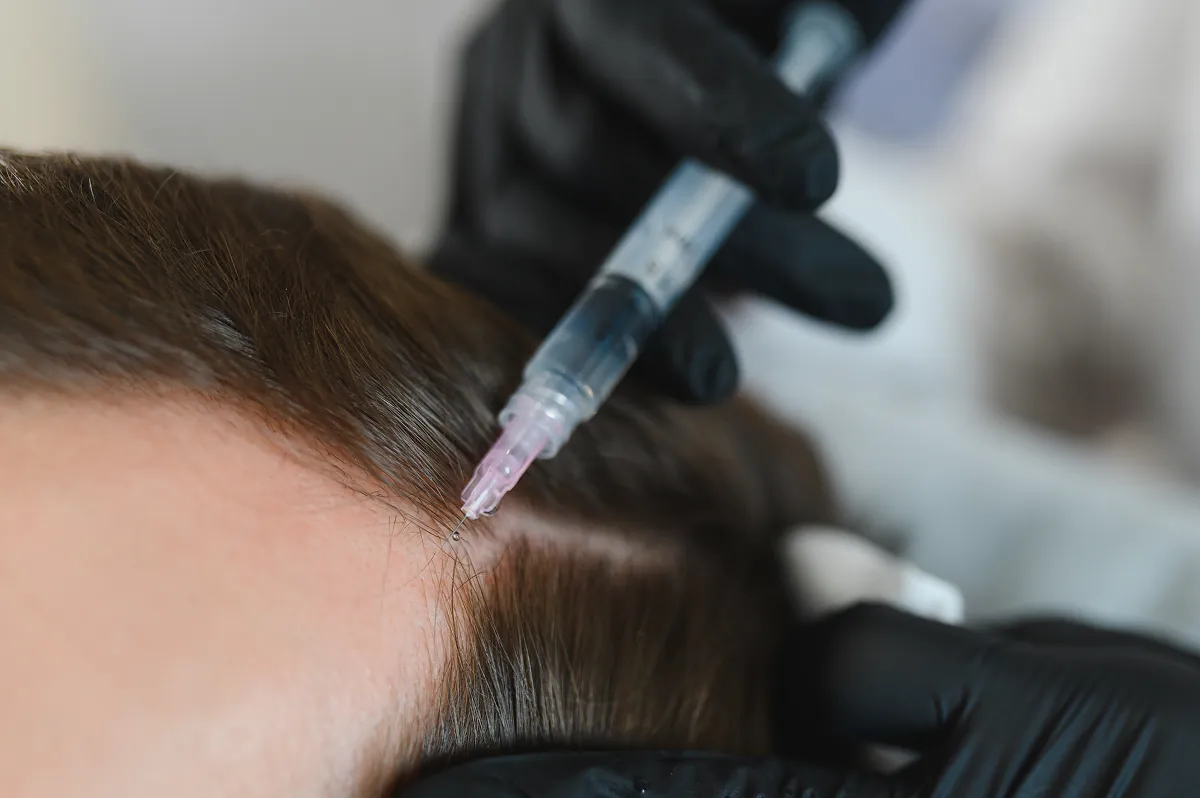
PRP and Mesotherapy
Two distinct approaches discussed after a scalp assessment
Learn more
 Scalp Care and Information
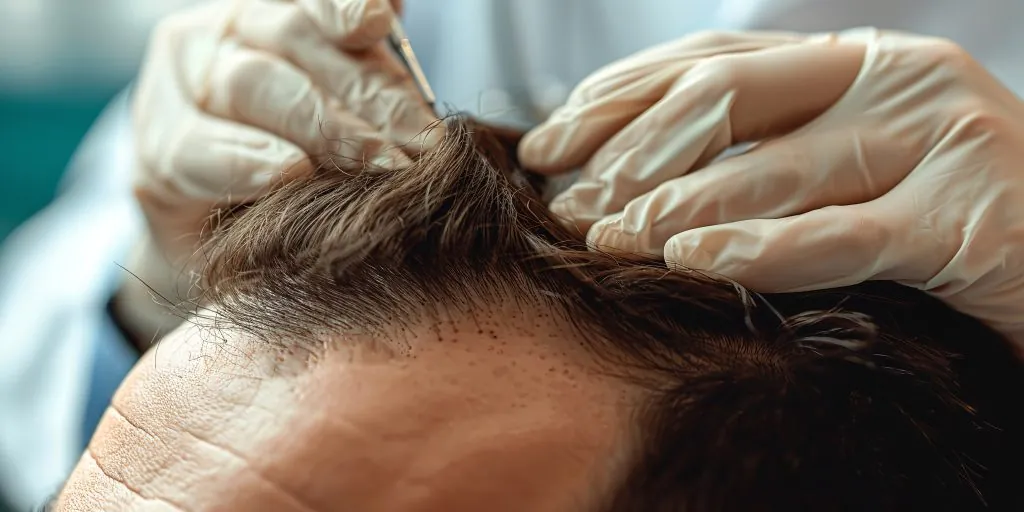
Stem Cells
Questions about cell-based approaches and clinical assessment
Learn more
 Scalp Care and Information
Exosomes
Information about exosomes and assessment of scalp concerns
Learn more
Discuss your personal plan with our team
Share your goals and a few photos of your hair. Our team will review them and explain which options may be suitable for you, what you can expect and what the next steps are.